Hawa Mahal: The Palace of Winds and Jaipur’s Most Iconic Landmark

Introduction: A Royal Breeze Through Jaipur’s Living Heritage
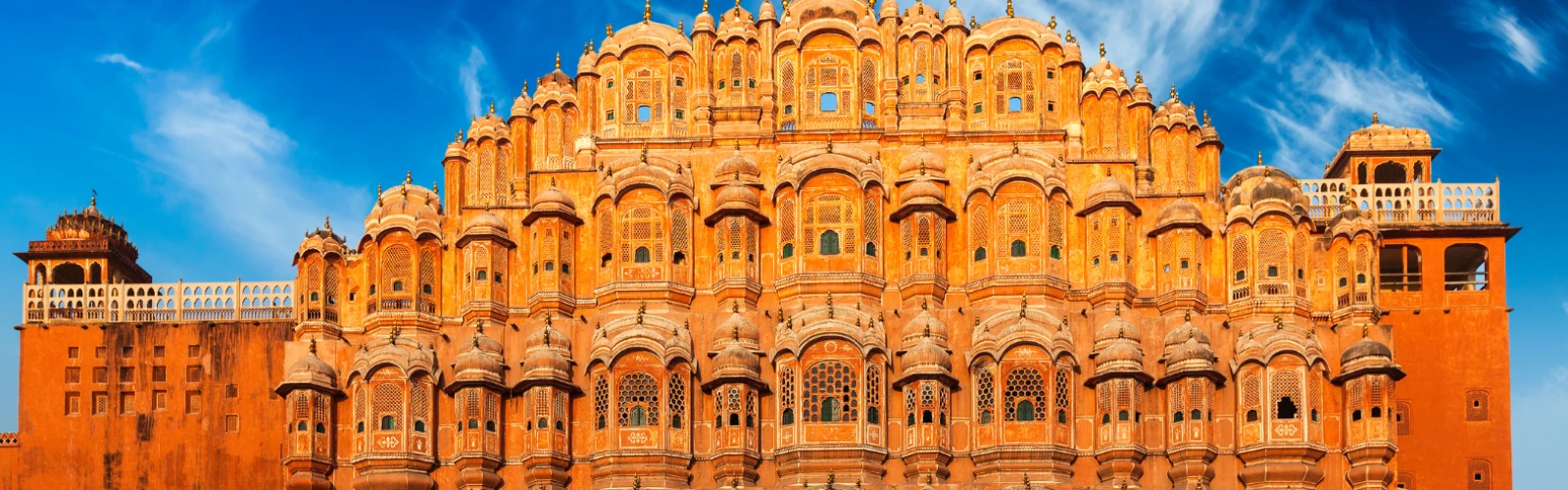
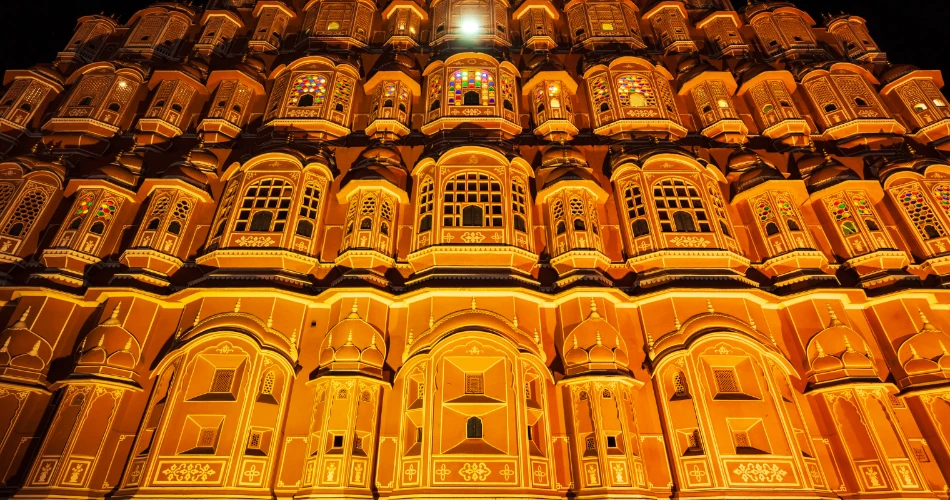
Jaipur, fondly known as the Pink City, stands as a living museum of royal elegance, and at its heart rises the majestic Hawa Mahal, or “Palace of Winds.” Built in 1799 by Maharaja Sawai Pratap Singh, this five-story architectural marvel is one of India’s most recognizable landmarks. Its pink sandstone façade, adorned with 953 intricately carved jharokhas (windows), captures the imagination of every traveler who visits Jaipur.
Hawa Mahal wasn’t merely a royal indulgence; it was a structure of purpose and poetry. It allowed the royal women to observe everyday street life and festive processions without being seen, maintaining the strict purdah tradition of the time. Today, the Hawa Mahal symbolizes Jaipur’s harmonious blend of royal legacy and architectural genius, standing gracefully amid the city’s bustling streets near the City Palace.
The Architectural Marvel of Hawa Mahal: A Blend of Mughal and Rajput Grandeur
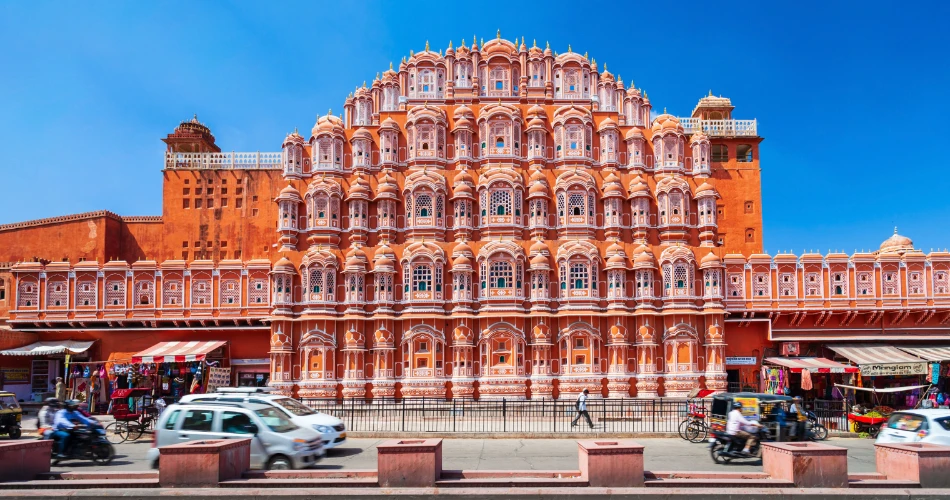
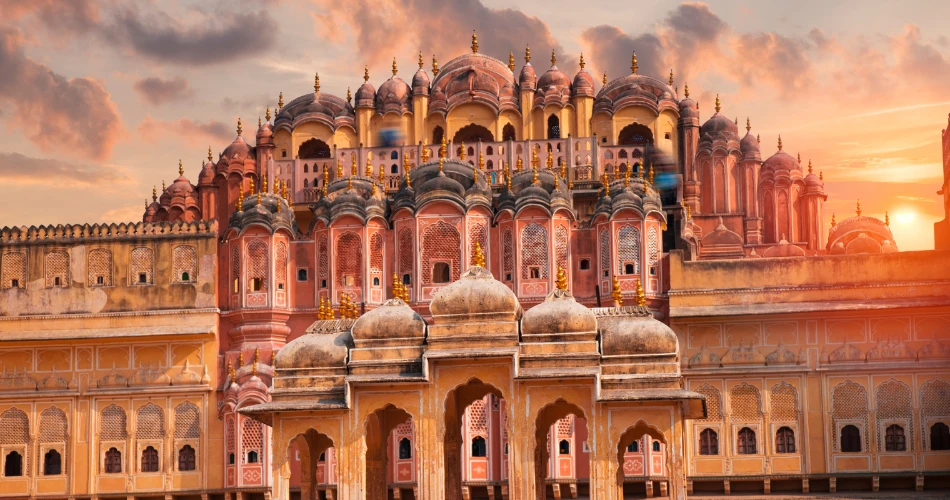
The architectural brilliance of Hawa Mahal lies in its unique fusion of Mughal artistry and Rajput design sensibilities. Crafted from red and pink sandstone, this five-tiered structure resembles the crown of Lord Krishna, which reflects Maharaja Sawai Pratap Singh’s devotion. The pyramid-shaped façade is accentuated by rows of small windows, ornate domes, and arched canopies.
Each of the 953 latticework windows serves a dual purpose — aesthetic charm and climatic function. These jharokhas allow cool breezes to flow through the palace, making it naturally ventilated even during the scorching Rajasthani summers. The building’s layout resembles a honeycomb, giving it an ethereal lightness while still standing strong after centuries.
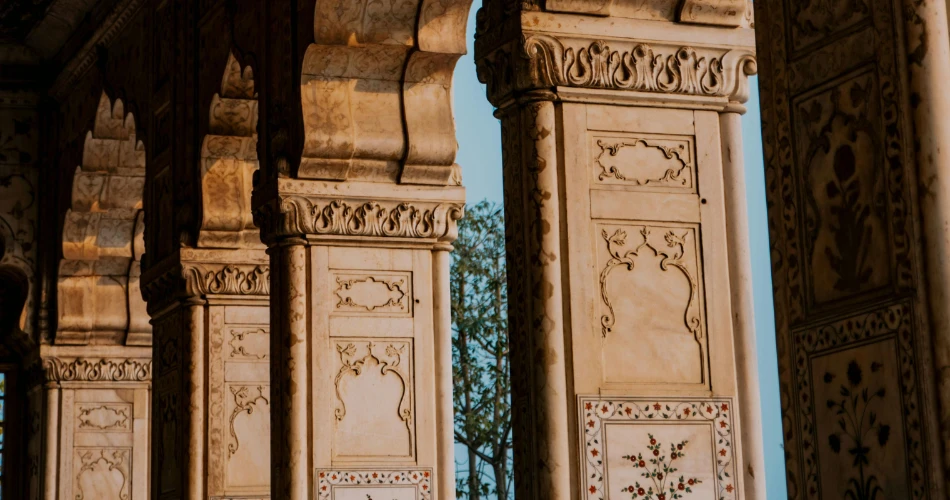
The intricate carvings, floral motifs, and fine stone filigree work are a testament to the craftsmanship of the 18th century. Unlike other royal palaces that showcase grandeur inside out, Hawa Mahal’s beauty is most captivating when viewed from the street — truly earning its name, the Palace of Winds.
The Purpose Behind the Palace: A Sanctuary for Royal Women
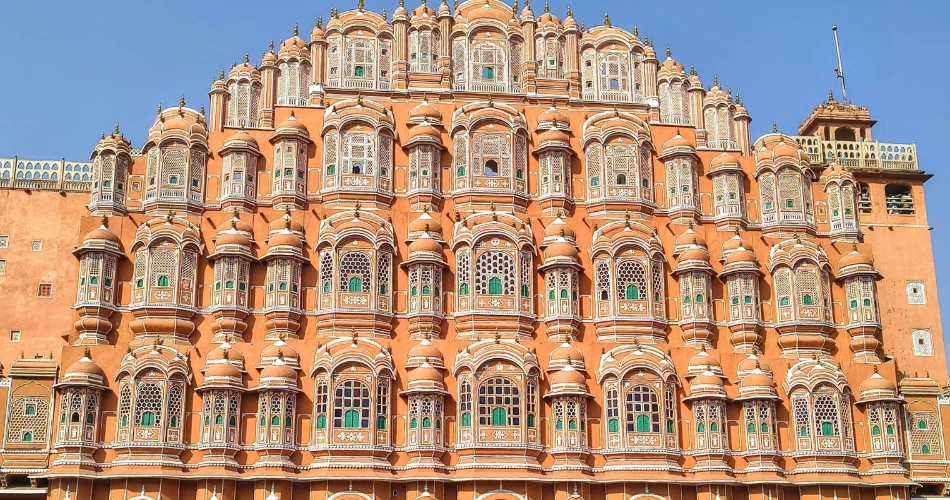
Beyond its stunning façade, Hawa Mahal carries a story rooted in the cultural norms of its time. In the 18th century, royal women of Jaipur’s Rajputana clan followed the purdah system, which prohibited them from appearing in public or interacting with strangers. Maharaja Sawai Pratap Singh envisioned a structure that allowed these women to witness the city’s vibrancy — festivals, markets, and daily life — without being seen.
The hundreds of windows were designed with delicate lattices so the women could observe unseen, preserving their modesty while experiencing the world outside. This thoughtful architecture transformed Hawa Mahal into more than a royal retreat — it became a symbol of freedom within constraint.
Even today, as sunlight filters through its tiny openings, visitors can feel the whispers of history and the royal lives once lived in seclusion yet with style and grace.
Inside the Palace: Exploring the Hidden Beauty Beyond the Facade
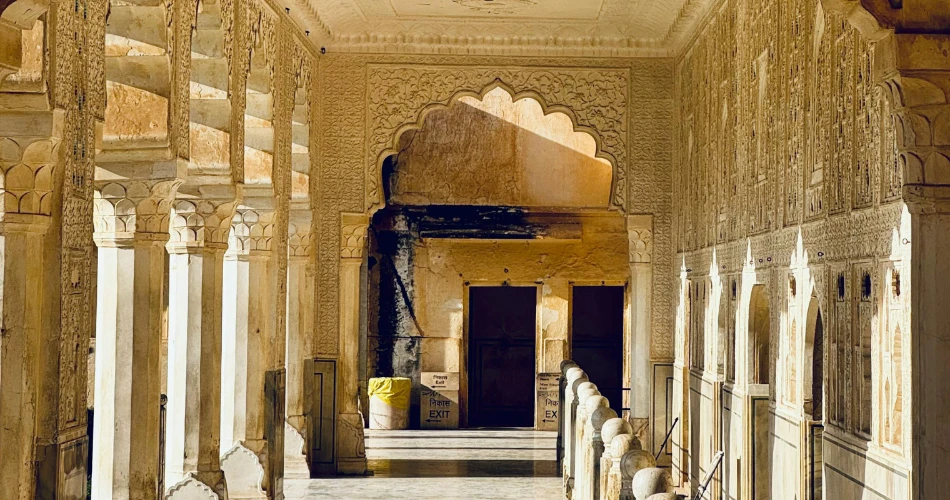
While most tourists admire Hawa Mahal from the street, stepping inside reveals a world equally captivating. The palace interiors open into spacious courtyards, arched passages, and beautifully designed chambers. Each level — known as Badal Mahal, Vichitra Mahal, Prakash Mahal, Rang Mahal, and Hawa Mahal — tells a story of artistry and royal lifestyle.
The topmost floors, designed to be airy and light, provide panoramic views of Jaipur, including the City Palace and the busy Johari Bazaar. Interestingly, there are no stairs; instead, ramps connect each floor, designed to make it easier for royal women to be carried in palanquins.
Though the interior is simpler compared to its ornate exterior, its symmetrical layout and geometric precision reflect the architectural discipline of the 18th century. Inside, one truly appreciates how the design marries functionality with aesthetic brilliance.
The Best Time to Visit and Experience the Magic of Hawa Mahal
Hawa Mahal’s beauty changes with the day — and to truly appreciate it, timing your visit matters. The best time to visit Hawa Mahal is during the early morning hours, around sunrise. The soft golden rays bathe the pink sandstone in a warm glow, creating a magical sight ideal for photography. The cool morning air also makes it comfortable to explore.
Visiting in the winter months (October to March) is recommended, as the weather is pleasant. During this season, Jaipur is alive with cultural festivals like the Jaipur Literature Festival and Makar Sankranti, adding to the city’s vibrancy. Hawa Mahal remains open from 9:00 AM to 4:30 PM, and entry tickets are modestly priced for both domestic and international tourists.
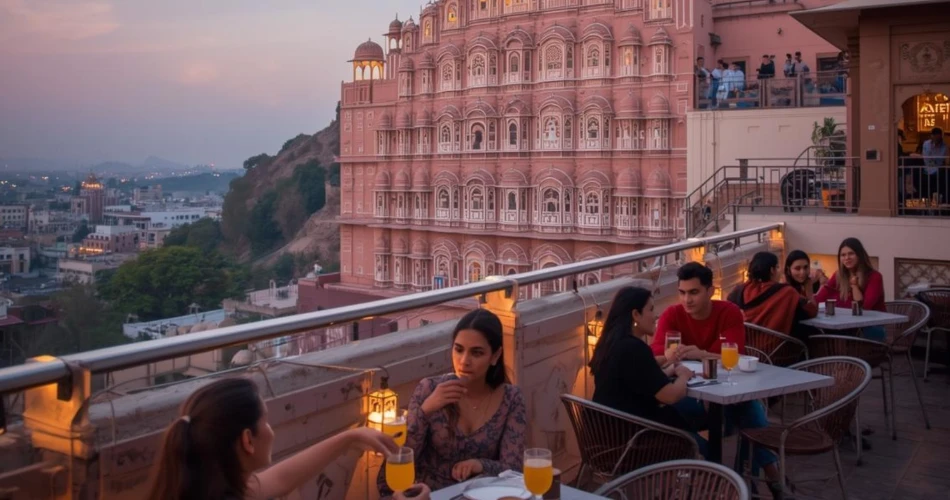
Evenings offer another charm — the illuminated façade against the twilight sky creates an unforgettable view, especially from cafés and rooftops opposite the palace.
Experiencing Hawa Mahal from Afar: The Best Cafes and Viewpoints Nearby
One of the most delightful ways to experience Hawa Mahal is from the numerous rooftop cafés and viewpoints opposite it. These spots offer a perfect frame for photography, relaxation, and enjoying traditional Rajasthani cuisine while soaking in heritage views.
Cafés like Wind View Café, Tattoo Café, and The Hawk View are popular for their panoramic sightlines of the palace. Imagine sipping a cup of masala chai or enjoying a Rajasthani thali as the breeze sweeps past and the pink façade glows in the afternoon sun.
These cafés also give travelers an excellent vantage point for capturing the intricate details of the monument — a dream for photographers and bloggers alike. The juxtaposition of the ancient palace with the modern buzz of Jaipur streets below creates an unforgettable cultural experience.
The Legacy and Cultural Significance of Hawa Mahal in Modern Jaipur
Hawa Mahal isn’t just an architectural gem — it’s the soul of Jaipur’s identity. It has become the city’s signature symbol, gracing postcards, travel guides, and tourism campaigns worldwide. For locals, it represents pride and continuity, a reminder of the rich legacy that shaped the Pink City.
Beyond tourism, Hawa Mahal also inspires art, photography, and design. Its symmetrical patterns and pink hues influence everything from textiles to jewelry, reflecting how deeply the monument’s aesthetic has merged with Rajasthani culture.
The Rajasthan government’s preservation efforts and inclusion of Hawa Mahal in the UNESCO World Heritage Circuit ensure that future generations can continue to marvel at this architectural wonder. It remains a timeless bridge between Jaipur’s royal past and its vibrant present.
Conclusion: The Eternal Charm of the Palace of Winds
In a city filled with forts and palaces, Hawa Mahal stands apart — not for its size, but for its spirit. It captures the essence of Jaipur’s royal charm, architectural innovation, and poetic history. Whether you admire it from afar, explore its inner chambers, or simply let its pink hues captivate your camera lens, Hawa Mahal leaves an impression that lasts forever.
For every traveler, photographer, or history lover, a visit to Jaipur is incomplete without standing before the Palace of Winds, where every window whispers tales of queens, kings, and the eternal breeze of Rajasthan.
