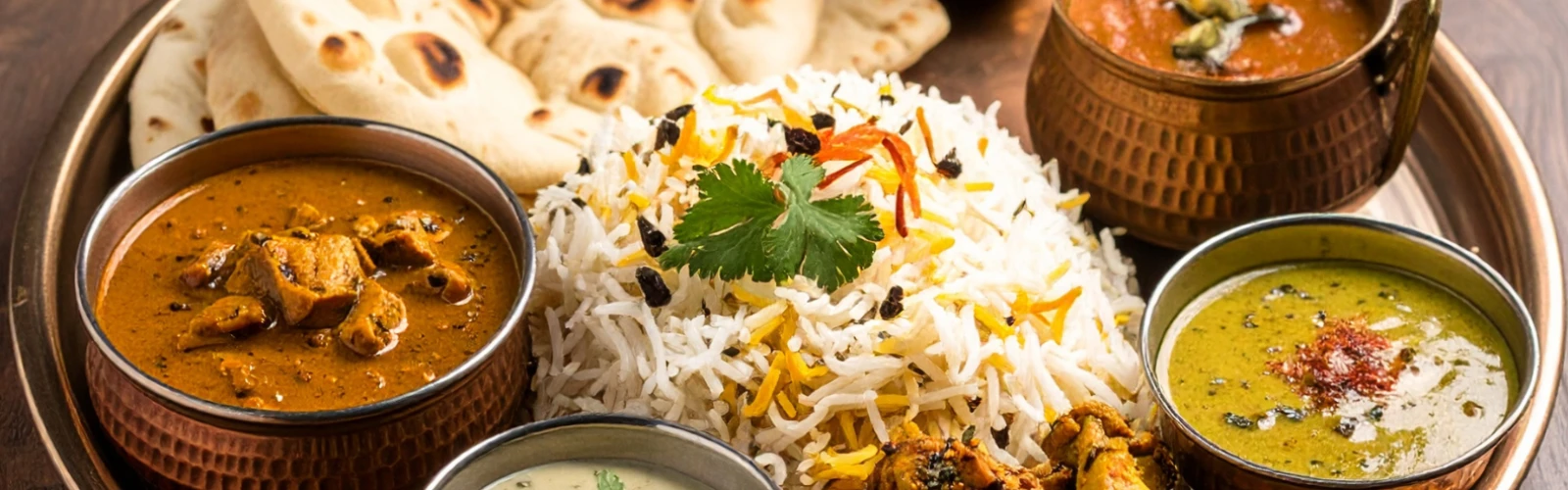
Savoring Jaipur: Best Traditional Rajasthani Thalis You Must Try

Introduction: Embarking on a Culinary Journey Through Jaipur’s Traditional Thalis
Jaipur, the Pink City of India, is renowned for its majestic forts, bustling bazaars, and rich cultural heritage. But beyond the palaces and streets lies a treasure trove of culinary delights waiting to be explored. One of the best ways to experience Jaipur’s authentic flavors is through its traditional Rajasthani thalis. A thali is much more than a meal; it is an elaborate arrangement of dishes that encapsulates the culinary identity of a region. Each thali offers a harmonious blend of sweet, sour, tangy, and spicy flavors, showcasing the diverse cooking techniques of Rajasthan. From the aromatic spices of dal and gatte ki sabzi to the indulgent sweetness of ghevar and mawa kachori, every element on a thali tells a story of history, tradition, and local ingredients. Visitors to Jaipur can immerse themselves in this gastronomic journey at local restaurants, street food stalls, or heritage hotels, each offering unique interpretations of these classic dishes. Savoring Jaipur through its thalis is an experience that appeals not just to your taste buds but also to your senses, providing a holistic view of Rajasthan’s culinary culture.
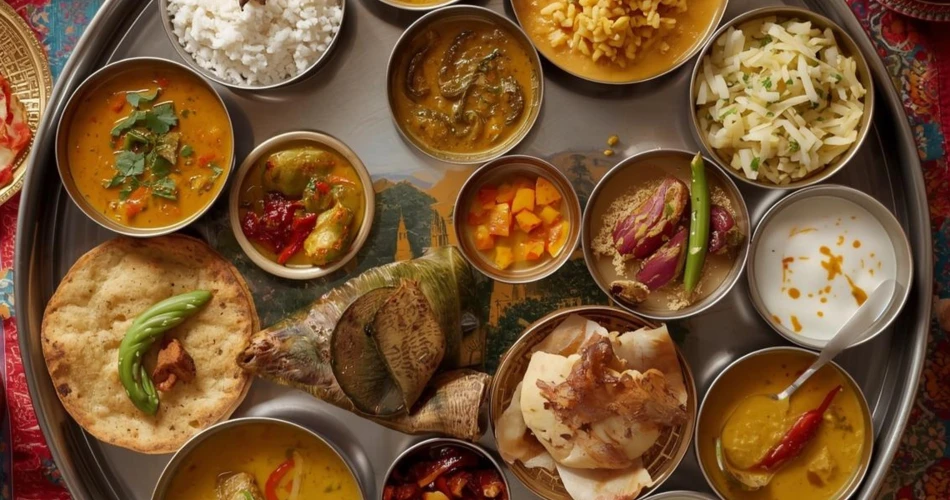
Dal Baati Churma: The Iconic Rajasthani Comfort Food You Cannot Miss
Dal Baati Churma is arguably the most iconic and beloved Rajasthani dish. Its origins date back to the royal kitchens of Rajasthan, where it was created as a wholesome and long-lasting meal for desert travelers. The dish consists of three components: soft, round wheat balls known as baati, a flavorful spiced lentil soup called dal, and churma, a sweet mixture of crushed baati, ghee, and sugar. In Jaipur, Dal Baati Churma is often served in a lavish thali accompanied by tangy chutneys, yogurt, and a variety of pickles. Each restaurant adds its own twist—some drizzle extra ghee over the baatis, while others prepare dal with unique spice combinations, giving it a distinct flavor. What makes Dal Baati Churma extraordinary is the balance of textures and tastes: the crisp exterior of baati contrasts beautifully with the soft, aromatic dal, while the churma provides a sweet finish to the meal. For visitors, trying this dish is not just about food—it’s about connecting with Rajasthani heritage and experiencing the warmth of traditional hospitality.
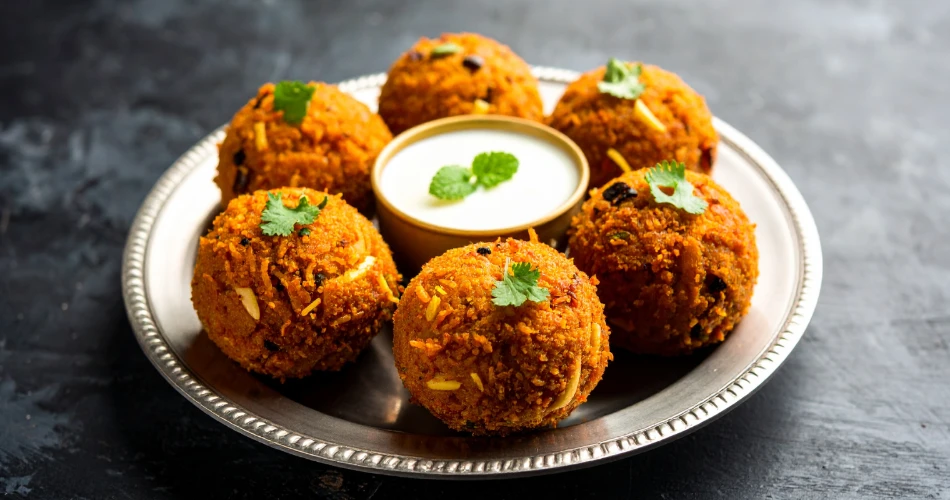
Gatte ki Sabzi: Spicy Gram Flour Dumplings in Rich Curry
Gatte ki Sabzi is one of Rajasthan’s signature vegetarian dishes, showcasing the ingenious use of gram flour (besan) in regional cuisine. The dish features cylindrical gram flour dumplings, which are lightly fried and then simmered in a thick, tangy yogurt-based curry enriched with spices such as coriander, cumin, and turmeric. Served with rotis or steamed rice in a traditional thali, Gatte ki Sabzi offers a burst of flavors in every bite. Jaipur restaurants often elevate the dish by adding a finishing touch of fresh coriander, a drizzle of mustard oil, or a hint of dried fenugreek leaves (kasuri methi), which enhances its aromatic profile. The beauty of Gatte ki Sabzi lies in its versatility—it can be enjoyed as a main course, a side dish, or even part of a festive thali. Tourists and locals alike appreciate the delicate balance of tanginess, spice, and texture, which makes it a true culinary delight. Pairing it with other thali items like dal, churma, or pickles creates a full-bodied meal that’s both satisfying and culturally authentic.
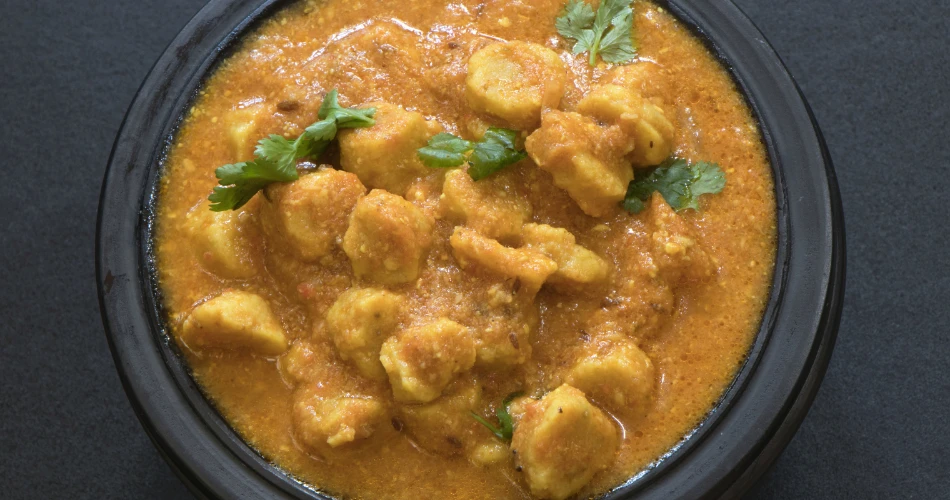
Laal Maas: The Fiery Rajasthani Meat Specialty for Spice Lovers
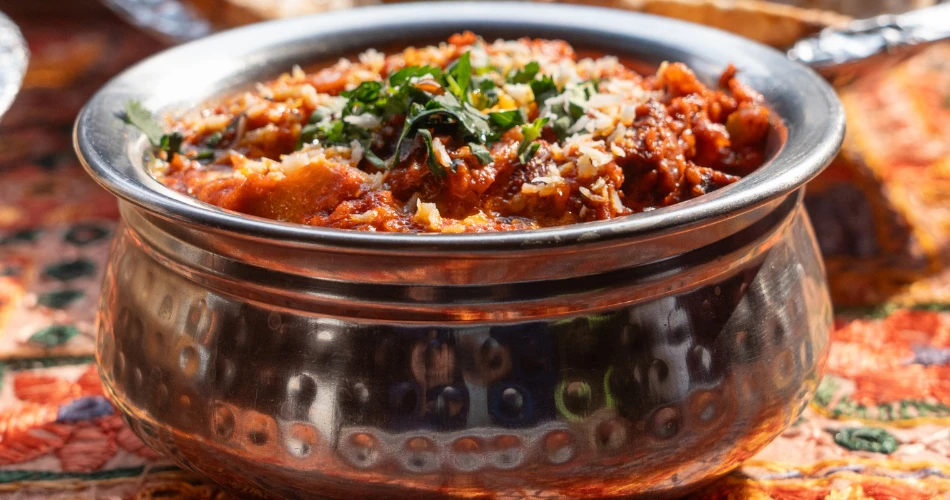
Laal Maas is the ultimate choice for meat lovers seeking a bold and fiery taste of Rajasthan. This traditional mutton curry is cooked using a rich blend of red chilies, garlic, yogurt, and local spices, resulting in a deep red, intensely flavored curry that packs a punch. Historically, Laal Maas was prepared for the royal families of Rajasthan, showcasing the region’s preference for robust, spicy dishes. In Jaipur, this dish is typically served with bajra (millet) roti, rice, or even traditional baati, creating a hearty and fulfilling meal. The slow-cooking process ensures that the meat remains tender while absorbing the complex spices, resulting in a mouthwatering experience. Laal Maas is not for the faint-hearted—its heat and depth of flavor make it a dish that truly tests and rewards your palate. Sampling this dish in Jaipur is a must for anyone eager to experience authentic Rajasthani flavors and understand why Rajasthan’s cuisine is celebrated for its boldness and richness.
Ker Sangri: The Desert Vegetable Delight You Must Experience
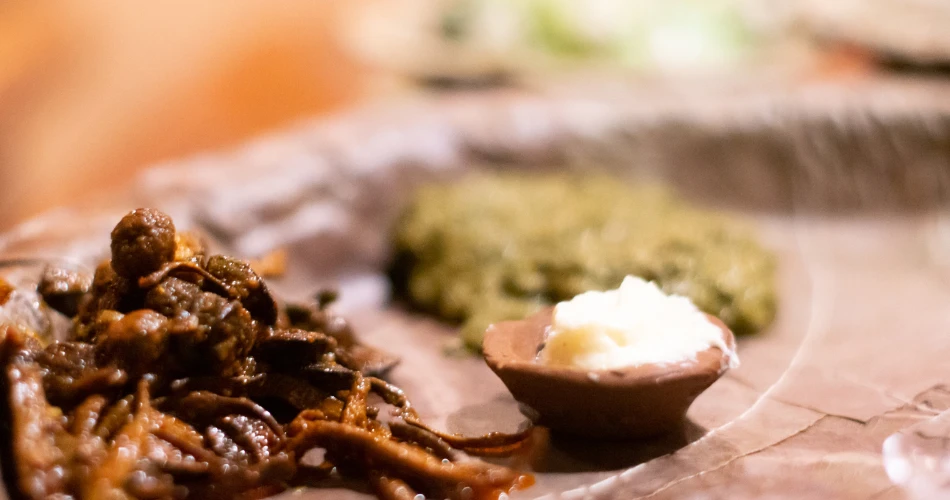
Ker Sangri is a truly unique dish that embodies the resourcefulness of Rajasthani cuisine. Made from dried desert beans (sangri) and wild berries (ker), this dish is tangy, spicy, and slightly sour—a reflection of the arid regions of Rajasthan where fresh vegetables are scarce. The ingredients are soaked, cooked, and simmered with a blend of mustard seeds, turmeric, and other spices, creating a flavorful and textured dish. In Jaipur, Ker Sangri is often included in thalis as a side dish, paired with bajra or wheat rotis, dal, and pickles. Beyond its taste, Ker Sangri is also highly nutritious, providing protein, fiber, and antioxidants. Tourists often marvel at its bold, earthy flavor, which is unlike any other Indian dish. Experiencing Ker Sangri in Jaipur not only gives you a taste of the desert but also offers insight into Rajasthan’s innovative culinary practices that transform local, limited ingredients into gourmet delicacies.
Panchmel Dal: A Nutritious and Flavorful Lentil Medley
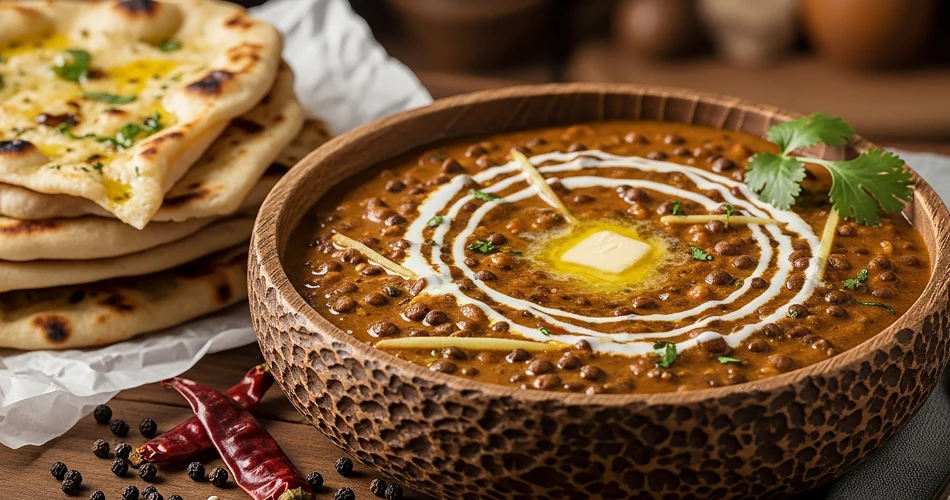
Panchmel Dal, also known as “five-lentil dal,” is a cornerstone of Rajasthani vegetarian cuisine. As the name suggests, it combines five different lentils—usually moong, chana, masoor, arhar, and urad—into a single aromatic curry, resulting in a rich and nutritious dish. Cooked slowly with ghee, cumin, turmeric, garlic, and ginger, Panchmel Dal is deeply flavorful yet balanced, offering a comforting and wholesome experience. Jaipur restaurants often serve it as part of a thali with baatis, rotis, or rice, accompanied by pickles, chutneys, and other vegetable dishes. What makes Panchmel Dal stand out is its nutritional value; it’s rich in protein, fiber, and essential vitamins, making it a meal that is both tasty and healthy. For visitors exploring Jaipur, this dish is an excellent introduction to Rajasthani vegetarian cuisine, providing layers of flavor that highlight the region’s culinary creativity and heritage.
Papad ki Sabzi: A Unique Rajasthani Creation Worth Tasting
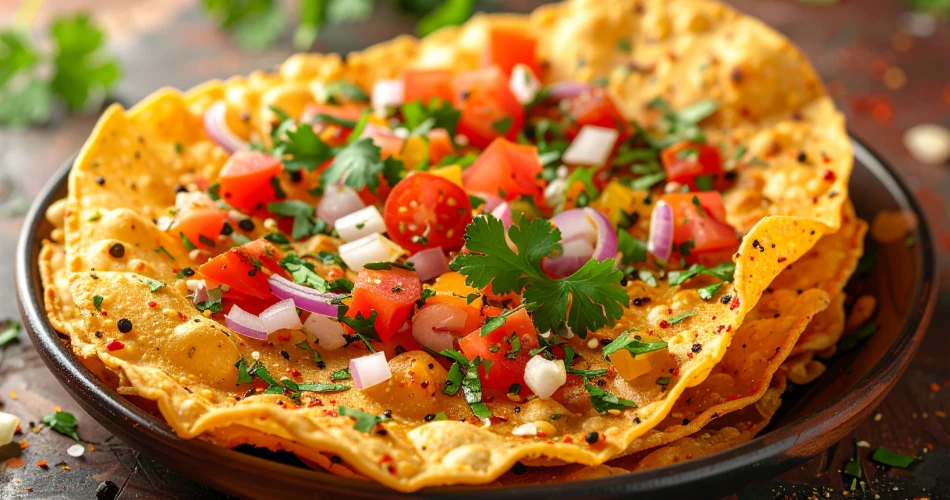
Papad ki Sabzi is one of the lesser-known yet incredibly fascinating Rajasthani dishes. This dish turns crispy papads (thin lentil crackers) into a soft, spiced curry by simmering them in a yogurt-based gravy with aromatic spices like cumin, coriander, and chili powder. The result is an unusual combination of textures—the crispiness of papad transforming into a melt-in-your-mouth delicacy that blends perfectly with rice or roti. Jaipur locals and restaurants often include Papad ki Sabzi in thalis as a way to showcase the ingenuity of Rajasthani cuisine, which uses simple, everyday ingredients to create flavorful, complex dishes. For tourists, tasting Papad ki Sabzi offers a delightful surprise and a deeper understanding of Rajasthan’s culinary traditions. Pairing it with dal, gatte ki sabzi, and pickles completes the thali experience, making it a must-try dish in Jaipur.
Rajasthani Sweets: A Sweet Ending to Your Culinary Adventure
No Rajasthani thali is complete without indulging in the region’s iconic desserts. Jaipur’s thalis often include sweets like Ghevar, Mawa Kachori, Malpua, or Rabri, offering a perfect end to a hearty meal. Ghevar is a delicate, honey-soaked dessert traditionally made during festivals, while Mawa Kachori is a rich, deep-fried sweet stuffed with condensed milk. Malpua, a pancake-like sweet, is soaked in sugar syrup and often served with rabri. These desserts are not just about taste—they reflect the opulence and creativity of Rajasthan’s culinary heritage. Serving them in a thali allows visitors to experience the balance of flavors across the meal, ending with sweetness that complements the savory courses. Jaipur restaurants pride themselves on preparing these desserts fresh, often using traditional methods passed down through generations, ensuring that every bite is authentic and indulgent.
Street Thalis: Experience Jaipur’s Vibrant Local Food Scene
While restaurant thalis offer a refined experience, Jaipur’s street food thalis capture the city’s vibrant energy and bustling culinary scene. Markets like Johari Bazaar, Bapu Bazaar, and Tripolia Bazaar are filled with vendors serving affordable yet authentic mini thalis. These often include smaller portions of Dal Baati, Gatte ki Sabzi, rice, roti, and chutneys, allowing visitors to taste multiple dishes in one go. Street thalis are particularly popular among locals and tourists who want a quick, flavorful, and cost-effective meal. Beyond the food, the experience includes interacting with local vendors, watching traditional cooking methods, and enjoying the lively market atmosphere. Sampling street thalis provides an immersive culinary adventure, offering insight into Jaipur’s food culture, affordability, and the everyday dining habits of Rajasthani people.
Conclusion: Why Jaipur’s Rajasthani Thalis Are a Must-Try
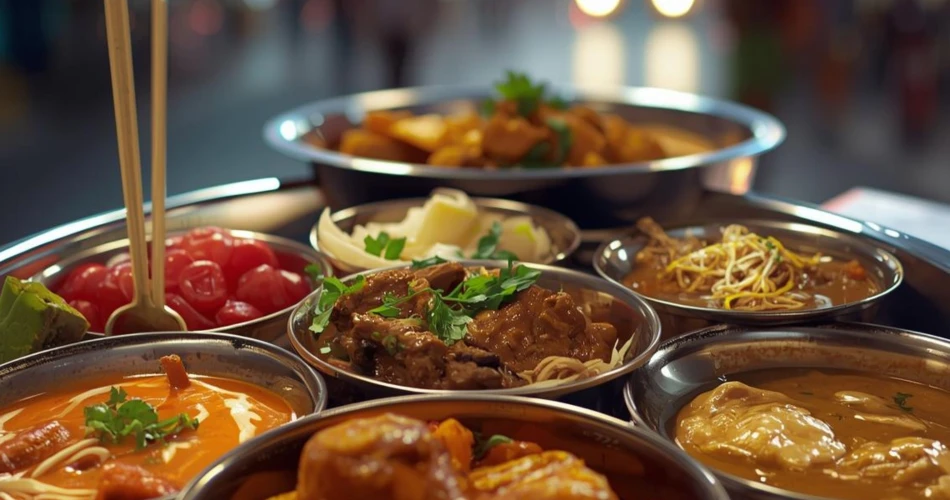
Jaipur’s traditional Rajasthani thalis are a gateway to understanding the city’s rich culture, heritage, and culinary mastery. From the fiery heat of Laal Maas to the comforting taste of Dal Baati Churma, each dish offers a unique flavor profile that showcases Rajasthan’s diversity and creativity. Vegetarian or non-vegetarian, spicy or sweet, every visitor can find something to delight their taste buds. Jaipur’s restaurants and street vendors ensure that the thali experience is authentic, generous, and memorable. Trying these thalis is not merely about food—it is about connecting with local traditions, enjoying the hospitality of Rajasthan, and creating lasting culinary memories. Next time you visit the Pink City, savoring these thalis should be at the top of your itinerary.
